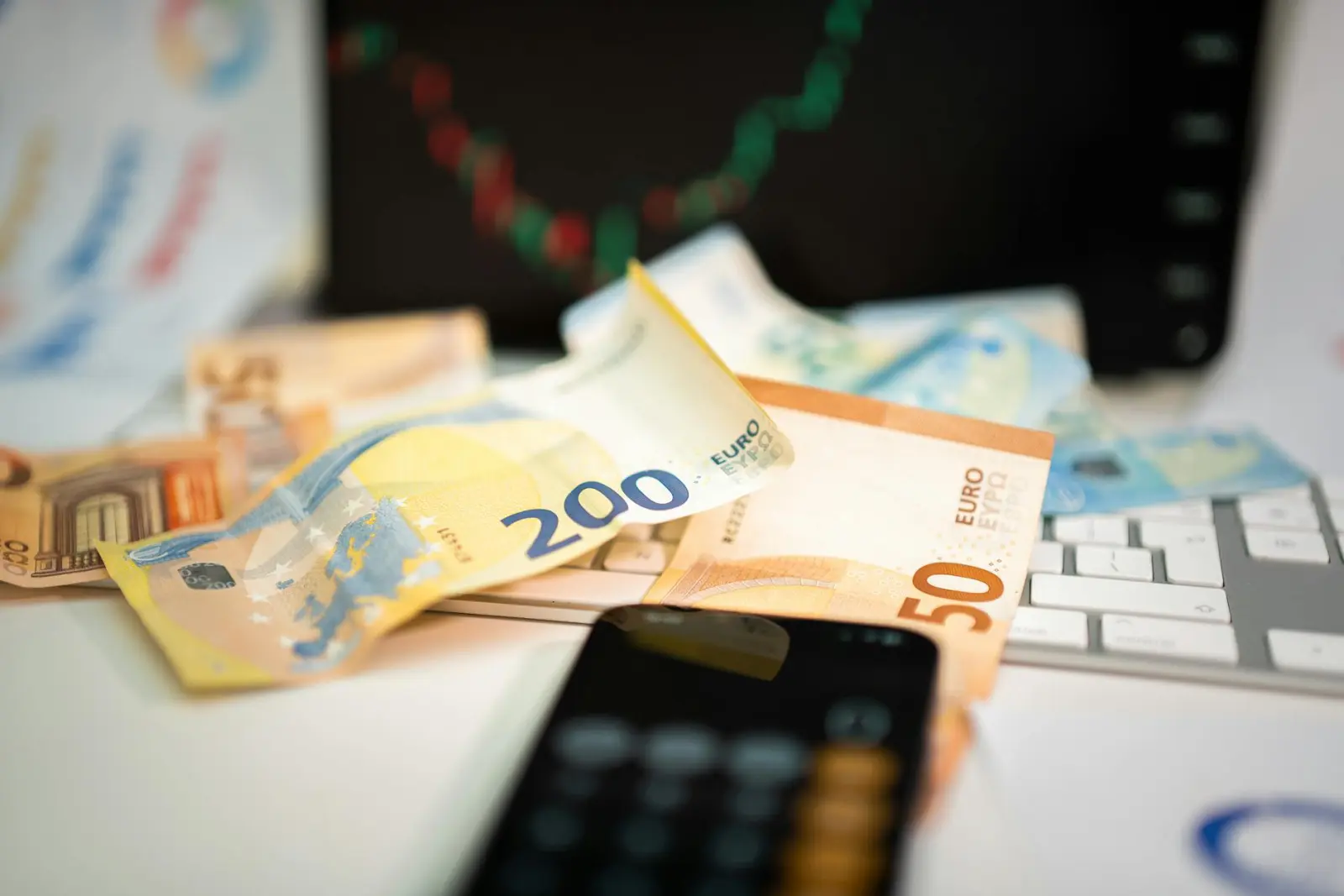
Economic cycles, characterized by periods of recession and growth, significantly influence the financial landscape for households and small businesses. Understanding these cycles requires a nuanced view of how each phase affects income, spending, investment, and ultimately financial stability. Households and small businesses must navigate these fluctuations with an awareness of the risks and trade-offs inherent in each economic environment.
During a recession, households often face increased financial strain. Job losses, reduced hours, and wage stagnation can lead to a decrease in disposable income. This situation compels families to tighten their budgets, prioritize essential spending, and often forgo discretionary purchases. As consumer confidence wanes, spending tends to contract, creating a feedback loop that can prolong economic downturns. For small businesses, a recession can manifest as diminished customer demand. Sales decline and cash flow pressures mount, leading to difficult choices about managing expenses, retaining employees, and servicing debt.
Financial Behavior in Recessionary Periods
In times of economic contraction, the behavior of both households and businesses shifts noticeably. Households may increase their reliance on credit to bridge gaps in income, risking higher debt accumulation. The psychological impact of a recession can lead to a heightened risk aversion, with families opting to save rather than spend. This precautionary saving behavior, while rational, can further depress economic activity, as businesses face reduced revenue and may be forced to make cuts to survive.
For small businesses, the challenge lies in managing liquidity. Access to credit can become more constrained during a recession, as lenders tighten their underwriting standards. Businesses may find themselves in a precarious position, needing to balance immediate cash flow needs against long-term financial sustainability. The trade-off between taking on additional debt to fund operations versus conserving cash for uncertain times becomes a critical decision-making moment.
Impacts of Economic Growth
In contrast, periods of economic growth generally present more favorable conditions for households and small businesses. Increased consumer confidence often leads to higher spending, which can stimulate business growth. Households may experience wage increases and job creation, enhancing their financial position and encouraging investment in larger purchases, such as homes or education. However, this growth phase is not without its complexities. The risk of inflation can emerge, impacting purchasing power and potentially leading to tighter monetary policy.
Small businesses, during growth periods, may find it advantageous to invest in expansion and innovation. Access to capital may improve as lenders become more willing to extend credit. However, the challenge remains in managing growth sustainably. Rapid expansion can lead to operational strains, and businesses must carefully evaluate their capacity to scale. Decisions around hiring, inventory management, and capital expenditures become critical as they navigate the balance between seizing opportunities and maintaining financial health.
Long-Term Financial Considerations
Long-term financial behavior is shaped by the experiences of both recession and growth phases. Households that have weathered recessions often emerge with a more cautious approach to debt and spending. They may prioritize building emergency savings or investing in assets that provide security, such as real estate. Conversely, the lessons learned during periods of growth can foster a more aggressive investment strategy, as households seek to capitalize on favorable economic conditions.
For small businesses, the long-term effects of economic cycles can influence strategic planning and risk management. Businesses that successfully navigate through recessionary periods may develop resilience and adaptability that serve them well in future downturns. Those that expand aggressively during growth phases must also prepare for the inevitable corrections, ensuring they have contingency plans in place to address potential financial stress.
Ultimately, the interplay between recession and economic growth creates a complex environment for financial decision-making. Households and small businesses must remain vigilant, adapting their strategies in response to changing economic conditions while being mindful of the risks and trade-offs associated with their financial choices. Understanding these dynamics can inform better long-term outcomes in an ever-evolving economic landscape.