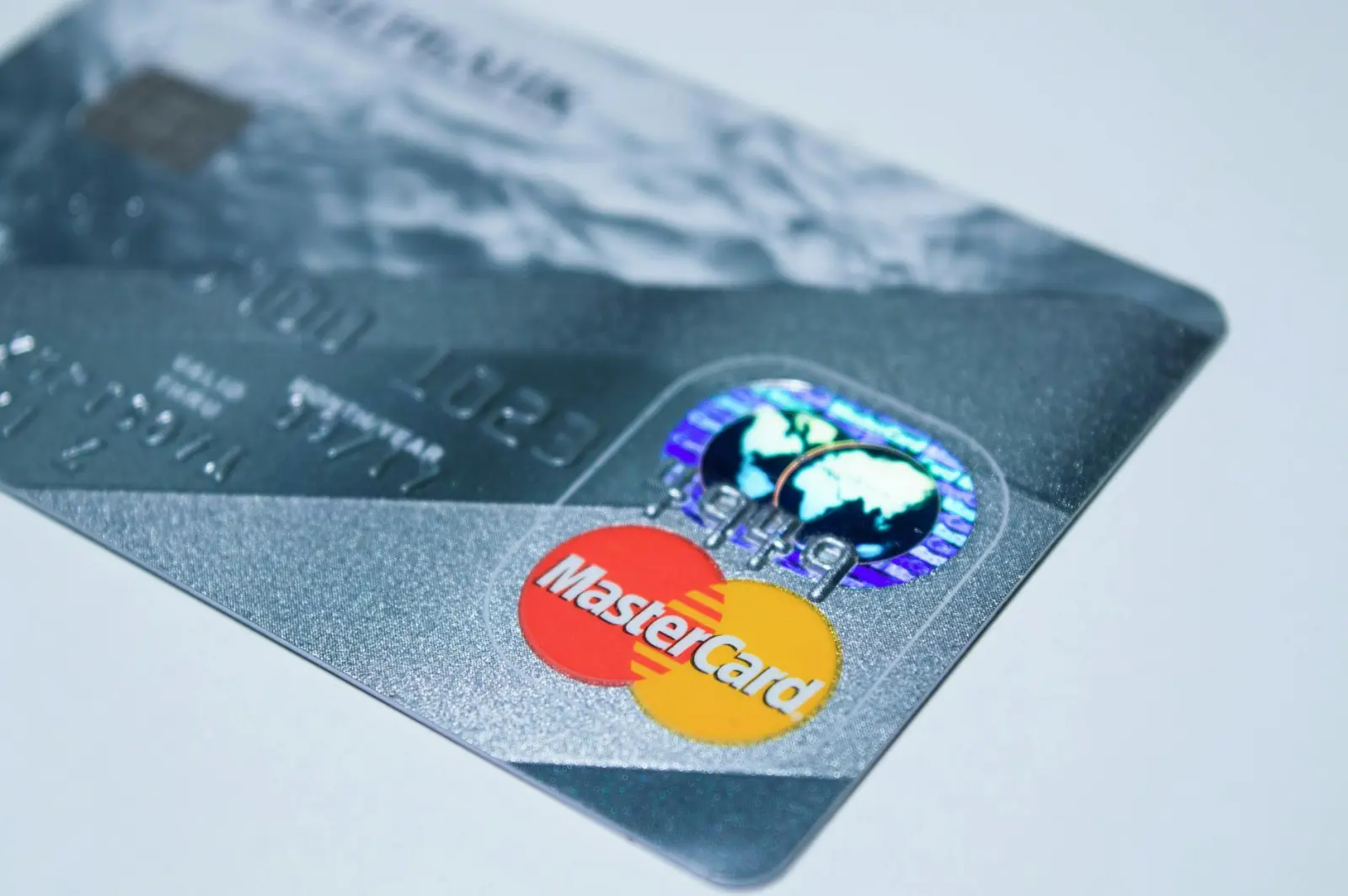
In the landscape of personal finance, credit cards serve as a dual-edged sword, offering both convenience and the potential for financial strain. In Australia, the credit card market is characterized by a variety of products that include rewards programs, varying interest rates, and a suite of features designed to attract consumers. Understanding the dynamics of these elements is crucial for effective financial management.
Rewards programs are a prominent feature of many Australian credit cards. These programs often entice consumers with points that can be redeemed for travel, merchandise, or cashback. However, the allure of rewards can lead to a common behavioral pattern: overspending. Individuals may find themselves accumulating debt in pursuit of rewards that may not provide sufficient value relative to the interest incurred. This phenomenon underscores the importance of evaluating whether the potential benefits of rewards justify the costs associated with carrying a balance.
Interest Rates and Their Implications
Interest rates on credit cards in Australia can vary significantly, influenced by factors such as market conditions, the creditworthiness of the borrower, and the specific terms set by the issuer. Generally, credit cards carry higher interest rates compared to other forms of credit, such as personal loans or mortgages. This higher cost of borrowing can lead to substantial interest burdens, especially for those who do not pay off their balances in full each month.
The short-term effects of high-interest rates manifest as increased monthly payments, while the long-term implications can be even more pronounced, potentially leading to a cycle of debt. Consumers may find themselves in a position where their payments primarily cover interest, leaving little room for principal reduction. This scenario can be exacerbated by promotional offers that temporarily lower interest rates, enticing consumers to make larger purchases without fully considering the long-term costs once the promotional period ends.
Smart Usage Strategies
Effective management of credit card usage in Australia hinges on a measured approach. One strategy involves maximizing rewards while minimizing interest payments. This can be achieved through disciplined spending habits and the timely payment of balances. By treating credit cards as a tool for enhancing cash flow rather than a means of financing consumption, individuals can leverage rewards without succumbing to debt accumulation.
Moreover, understanding the terms and conditions associated with credit cards is essential. Some cards offer benefits such as no annual fees for the first year or bonus points for signing up. However, these features should not overshadow the potential costs associated with high-interest rates or fees for late payments. Analyzing the total cost of credit card usage, including annual fees and interest rates, allows for a more informed decision-making process.
Behavioral Patterns and Financial Outcomes
Human behavior plays a significant role in credit card usage and financial outcomes. The ease of access to credit can lead to impulsive spending, which may not align with long-term financial goals. Psychological factors, such as the desire for instant gratification, often drive individuals to prioritize short-term rewards over long-term financial health. This behavior can result in a misalignment between spending and saving, ultimately affecting overall financial stability.
Moreover, external economic factors, such as inflation and shifts in interest rates, can further complicate the credit landscape. As interest rates rise, the cost of carrying debt increases, which can lead to a reevaluation of spending habits. In a fluctuating economic environment, maintaining a balance between credit utilization and financial prudence becomes paramount.
Credit cards in Australia embody a complex interplay of rewards, interest rates, and consumer behavior. Recognizing the potential trade-offs associated with credit card usage can empower individuals to make more informed financial decisions. By understanding how to navigate this landscape, consumers can harness the benefits of credit while mitigating the risks of debt accumulation.